UK Rules for Emailing and Texting Customers: What to Check First
In the UK, marketing emails and texts to individuals generally need the recipient’s consent, with a limited exception for existing customers, and every message must make opting out easy. You also have data protection duties for the contact details you hold. This page lists points to check against Information Commissioner’s Office guidance and a solicitor’s advice before you send.

Contents
- The short version
- Points to check
- Example consent wording
- Tracking pixels in emails
- A short checklist
- When to take advice
- Frequently asked questions
- Sources
The short version
Two sets of rules matter. The Privacy and Electronic Communications Regulations, known as PECR, cover marketing by email, text, phone and similar channels. UK data protection law, often called GDPR, covers how you collect, use and keep people’s details. This is general information, not legal advice, and the rules and guidance change.
Points to check
| Topic | What to check |
|---|---|
| Consent for marketing | Do you have the person’s agreement to receive marketing emails or texts, given clearly and for that purpose? |
| The existing customer exception | There is a limited exception (often called the soft opt-in) for people whose details you collected during a sale or negotiation, but it has conditions, including offering an opt-out at the time and in every message. Check the current conditions. |
| Business contacts | Rules for emailing a business address can differ from those for individuals. Check the current position. |
| Opt-out | Is every message easy to stop, and do you stop at once? |
| Who you are | Does every message say who it is from, with a real contact address? |
| Service messages | A message that simply answers someone’s enquiry or confirms a booking is different from marketing. Keep it to the point and do not add promotions. |
| Privacy notice | Have you told people how you use their details, who has them and how long you keep them? |
| Security and storage | Is the data kept securely, and kept only as long as needed? |
| People’s rights | Can you respond to requests to see, correct or delete someone’s data? |
| Records | Can you show who agreed, when, how and to what wording? |
| Bought lists | Avoid them. You cannot rely on someone else’s consent without checking it carefully. |
Example consent wording
Wording is original and needs checking for your own business. For example, next to an unticked box: Tick to receive occasional emails from [business name] about [what you will send]. You can unsubscribe at any time. See our privacy notice for how we use your details.

Want a second pair of eyes? Clariti Digital can review your setup and show you what to fix first.
Tracking pixels in emails
ProfileTree notes that regulators in France and Italy have ruled that open-tracking pixels used for marketing need separate consent, and that UK senders operate under PECR, which those rulings do not bind today, though the direction of travel is clear. Check ICO guidance on tracking in emails and consider relying on clicks and replies instead of opens.
A short checklist
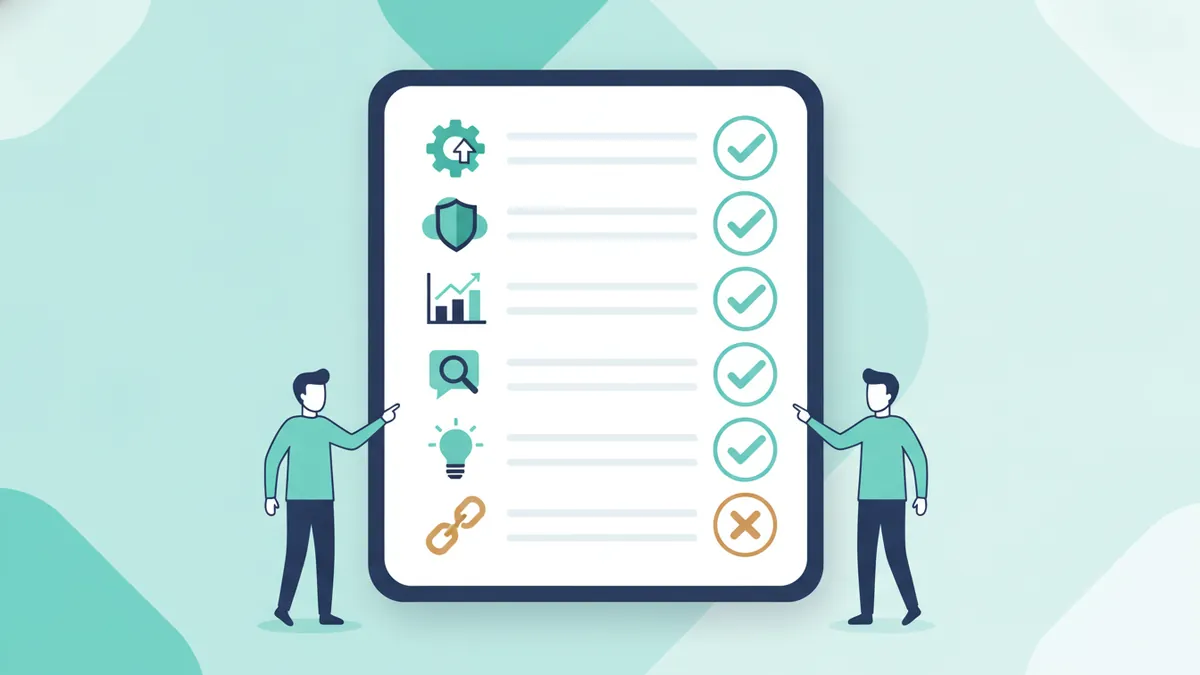
- [ ] Consent recorded for each person, with date, source and wording.
- [ ] An unticked box and a clear explanation on every sign-up form.
- [ ] An unsubscribe link in every email and a stop option in every text.
- [ ] A privacy notice that matches what you do.
- [ ] Every message identifies the sender.
- [ ] A process for opt-outs and data requests.
- [ ] No bought lists.
- [ ] A named person responsible for checking the rules each year.
When to take advice
Take legal advice before you send marketing for the first time, before you use a bought or shared list, before you use automated messages at scale and if you receive a complaint. The Information Commissioner’s Office publishes guidance for businesses. For the practical side, see email marketing for local businesses, email vs SMS marketing and why business emails go to spam.
Frequently asked questions
Do I need consent to email my customers?
For marketing emails to individuals, generally yes, with a limited exception for existing customers. Check the current conditions with the ICO and take legal advice.
What is the soft opt-in?
A limited exception for customers whose details you collected in a sale or negotiation, if you market similar products and offered an opt-out. The conditions matter, so check them.
Can I text customers about their booking?
A message confirming a booking is different from marketing, but keep it to the booking and check the rules for your case.
Do I need a privacy notice?
Yes. You must tell people how you use their details.
Can I buy an email list?
It is risky and best avoided. You cannot assume the consent covers you.
What happens if I get it wrong?
The regulator can take action and customers may complain. Take advice early rather than late.
Sources
- Information Commissioner’s Office, Guidance and resources for organisations, checked 11 October 2026.
- ProfileTree, Email marketing statistics: UK benchmarks for SMEs, checked 11 October 2026.
- Prowess, Does SMS marketing increase sales for UK small businesses?, checked 11 October 2026.

Sam, Editor at Clariti Digital.
Related guides
- Email marketing for UK local businesses: A simple email plan for local businesses.
- Email vs SMS marketing: How to choose between email and text messages.
- Why business emails go to spam: Why business emails land in spam and how to fix it.
Need help with this?
Clariti Digital is a UK digital growth agency for established local businesses. We start with a diagnostic, then fix what holds back visibility, enquiries and trust. Call +44 7435 063827 or email sam@claritidigital.com.
This guide is general information, not legal advice.