Can You Offer a Discount or Gift for a Google Review in the UK?
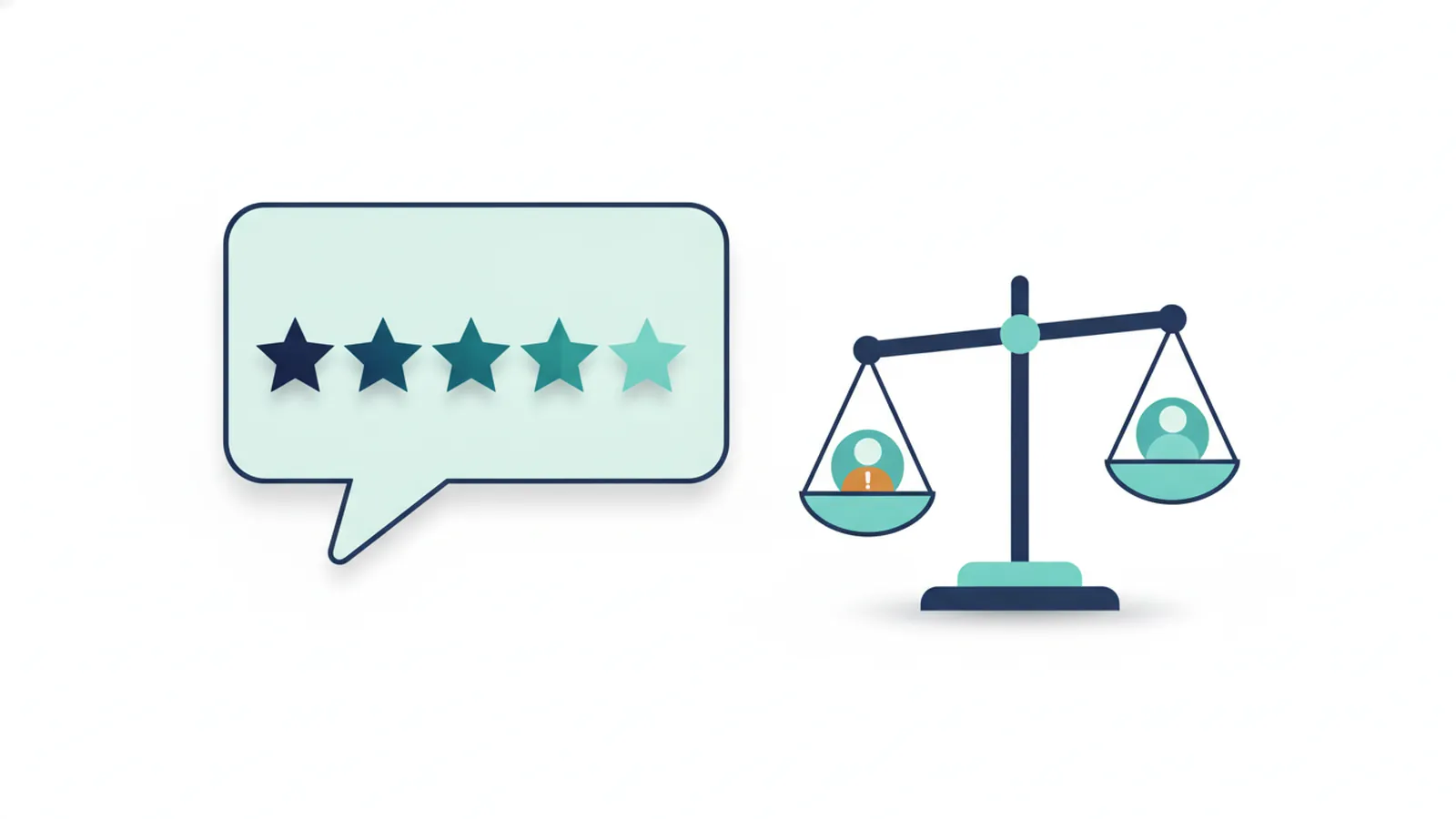
No. Google’s policies say businesses should not offer incentives for reviews, and UK consumer law now bans fake reviews and hidden incentives. The Advertising Standards Authority says explicitly rewarding positive reviews is likely to be problematic. Ask every customer for an honest review, make it easy, and give nothing in return.
Contents
- The short answer
- What Google’s rules say
- What UK law and the ASA say
- What you can do instead
- What not to do
- What can happen if you get it wrong
- Frequently asked questions
- Sources
The short answer
No. Offering a discount, gift, voucher or prize entry for a Google review goes against Google’s guidance. Where the reward depends on the review being positive, it is also likely to breach UK advertising and consumer rules. The safe approach is simple: ask every customer for an honest review, make it easy to leave one, and give nothing in return. This is general information, not legal advice.
What Google’s rules say
Google’s review policies, as summarised by specialists, prohibit three things businesses often do by accident:
- Incentives. Discounts, free items, vouchers or prize draws in exchange for reviews.
- Review gating. Asking only happy customers to review, or steering unhappy customers away from the public review page.
- Self-reviews. Reviews written by you, your staff or people connected to the business.
Google can remove reviews, stop new reviews appearing or suspend the profile. Check the wording of Google’s current review policy before relying on this summary.
What UK law and the ASA say
The Digital Markets, Competition and Consumers Act 2024 replaced the old consumer protection regulations from 6 April 2025. It bans fake and misleading reviews. In particular, the banned practices include:
- Submitting or commissioning a fake review.
- Concealing incentives that were given for reviews.
- Publishing reviews, or information drawn from them such as star ratings, in a misleading way.
The rules apply across platforms and formats, including star ratings and audio or video testimonials, and helping others to publish fake reviews is also banned. The Competition and Markets Authority (CMA) enforces the law and has published guidance for traders. It can act directly instead of waiting for the advertising regulator.
The Advertising Standards Authority (ASA) applies the CAP Code. Rule 3.44 says marketing must not contain fake consumer reviews. ASA guidance says incentives to encourage genuine, unbiased reviews could potentially be acceptable, but directly and explicitly rewarding positive reviews is likely to be considered problematic. Because Google’s own policy bans incentives, the practical position is the same: do not offer them.

Want a second pair of eyes? Clariti Digital can review your setup and show you what to fix first.
What you can do instead
- Ask every customer, not just the ones you think are happy.
- Ask at the right moment, straight after a job is finished or a problem is solved.
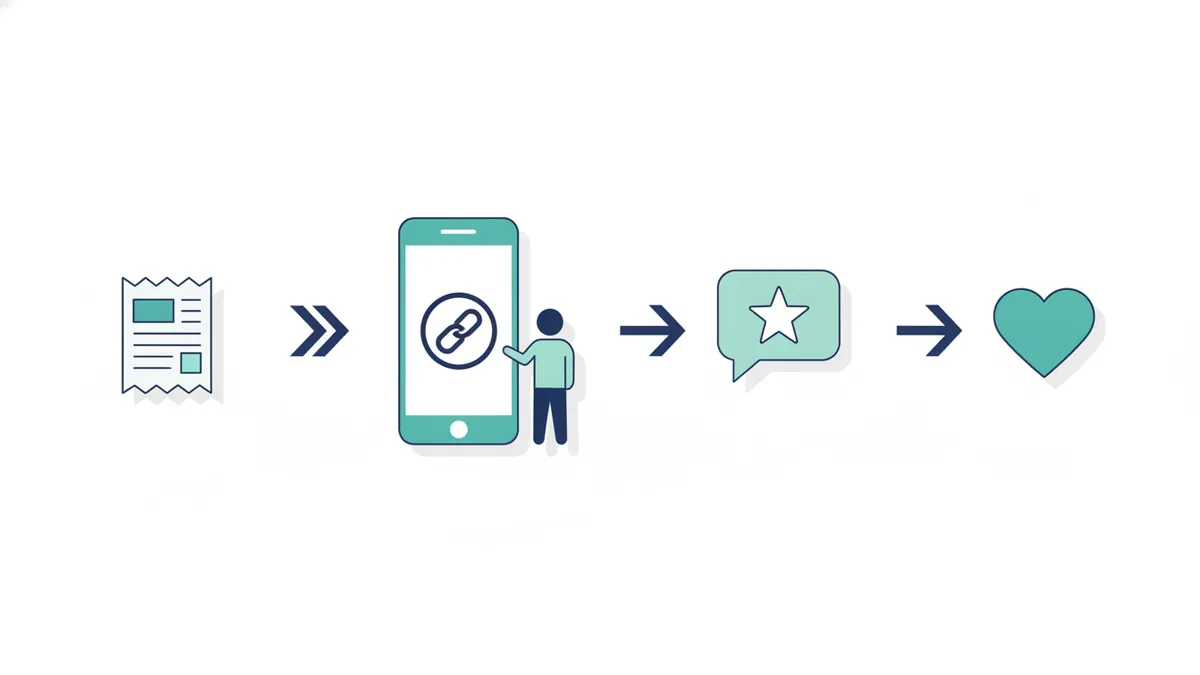
- Make it easy. Send a direct review link by text or email, put a QR code on invoices and cards, and add a review page to your website.
- Explain why it matters. Honest reviews help other local people choose a business they can trust.
- Thank everyone and reply to every review, good or critical, calmly and professionally.
- Offer a private way to contact you about problems, but never discourage anyone from leaving a public review.
Sample wording for a text or email: Thanks for choosing us. If you have a minute, an honest Google review helps other local people find us. Here is the link. Thank you, and tell us if anything could have been better.
What not to do
- Offer discounts, gifts, vouchers or prize draws for reviews.
- Ask only happy customers, or filter who receives the link.
- Buy reviews, use review farms or publish AI-generated reviews. UK law firm commentary says AI-generated reviews are unlikely to comply.
- Write reviews yourself or ask staff and family to.
- Claim a star rating you cannot evidence. The ASA told one advertiser not to claim a five-star Trustpilot rating without proof, after its reviews and rating disappeared when it changed review software.
What can happen if you get it wrong
Google may remove reviews or suspend your profile; see what to do if your Google Business Profile is suspended. The CMA can take enforcement action and the ASA can rule against misleading advertising. Beyond the penalties, customers and AI tools both read reviews, so honest, steady reviews also support your visibility, as explained in how to appear in ChatGPT and other AI search tools.
Frequently asked questions
Can I give a small gift or discount for a review?
No. Google’s guidance says businesses should not offer incentives for reviews, and UK rules treat hidden incentives and explicit rewards for positive reviews as a serious problem. Say thank you instead, and ask every customer for an honest review.
Can I only ask happy customers?
No. Asking only satisfied customers, or steering others away from the public review page, is called review gating and breaks Google’s policy. Ask everyone and respond professionally to critical reviews.
Can staff or family leave reviews?
No. Reviews from owners, staff and connected people are treated as self-reviews. Under UK law, a review that claims to be a genuine experience when it is not is a fake review.
How do I get a fake review removed?
Flag it to Google through its review removal process and say which policy it breaks. Removal is not guaranteed, and reviews you simply disagree with usually stay. A calm public reply helps other customers see your side.
Do reviews help my local ranking?
Many local SEO guides treat review quantity, quality and recency as signals, and BrightLocal’s surveys show most consumers read reviews before choosing a local business. Google does not publish how much each factor weighs, so focus on earning genuine reviews steadily.
Is this legal advice?
No. This guide is general information. Rules and guidance change, and the CMA and ASA publish updates. Check with a solicitor or the regulators about your own situation.
Sources
- ASA, Fake consumer reviews, checked 11 October 2026.
- ASA, An update on code changes related to the Digital Markets, Competition and Consumers Act 2024, checked 11 October 2026.
- Lewis Silkin, It’s not all smiles: Zingy warned about fake ratings, checked 11 October 2026.
- Boyes Turner, Fake reviews: new banned practice, checked 11 October 2026.
- Brodies, Advertising compliance and regulatory enforcement, checked 11 October 2026.
- Google, Prohibited and restricted content: fake engagement and review policy, checked 11 October 2026.
- BrightLocal, Local Consumer Review Survey, checked 11 October 2026.
- Simply Business, How to get Google reviews for your business, checked 11 October 2026.

Sam, Editor at Clariti Digital.
Related guides
- Google Business Profile suspended: How to find the cause and recover a suspended listing.
- How to appear in ChatGPT: What helps a local business show up in AI answers.
- Website not getting enquiries: Nine checks when visitors arrive but do not get in touch.
Need help with this?
Clariti Digital is a UK digital growth agency for established local businesses. We start with a diagnostic, then fix what holds back visibility, enquiries and trust. Call +44 7435 063827 or email sam@claritidigital.com.
This guide is general information, not legal advice.